I want to stay informed!

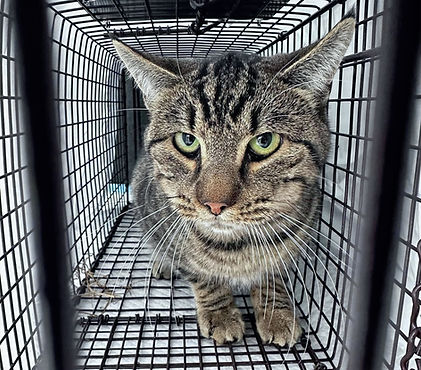
TRAPPING
Where to Purchase Traps

Tomahawk Live Trap: Tomahawk provides humane animal traps, enclosures, and handling equipment commonly used in TNVR, rescue, and lost pet recovery efforts. Best Friends Network Partners can use the code DCBESTFRIENDS256 for 10% off any order at livetrap.com. This code is valid through the end of 2026.

Tractor Supply offers different types and size traps. You will want to purchase one that is at least 32"x10"x12" or it will be too small for full grown cats. They do have a pack that comes with a small trap you can find here: CountryLine 2 pack
We often have Tractor Supply traps for sale for $40 at the facility. Inquire by contacting us.
I need to spay/neuter a feral/stray/community cat. What do I do?
1. Make a Plan Before You Trap!!!
If possible, start trap training.
Find out where you can take him - here are some options:
a. Fresno T.N.R. (FTNR) - Private message through Facebook Messenger a BRIEF message to
an admin - Cassie Garcia / Savannah Hill / Brandi Sherman. $30 includes rabies, FVRCP
vaccines and ear tip. $45 without ear tip. You can post in our main group and ask for a sponsor if you can’t
afford the cost.
b. Central Valley Spay/Neuter cvfix.org- Appointments drop online Sun around 2:00 PM for
the next week. $20 includes rabies vaccine, and you can request ear tip. FVRCP vaccine is
additional $20. Feral or owned okay.
c. SPCA ccspca.com - $80 for feral cats, proof of rabies is required or they will vaccinate for
an additional fee. Appointments are booked out about a month.
d. H.O.P.E. hopeaf.com - Appointments are usually available within a week. $130 for feral cats,
includes rabies and ear tip. $75 for owned/friendly cats, surgery only. You can request ear tip
for a friendly for $5 additional.
e. Cat House on the Kings cathouseonthekings.com You can get vouchers online. $30 includes
ear tip. Additional $25 for rabies vaccine. Sometimes vouchers also include vaccines.
If you register as a trapper to do colonies and use trapper vouchers, ear tip is mandatory.
You will make the appointment at their partnered vets. They are often booked out a month.
f. Private Vet - Call for prices and to confirm that they will do feral cats.
PLEASE VERIFY ALL PRICES YOURSELF
2. You've Made an Appointment or Received Approval From FTNR
Trap the cat. There are lots of videos on YouTube on how to trap for T.N.R.
Learn and then ask questions on the Fresno T.N.R. Facebook page.
Never leave the trap unattended! Animals and people can harm a trapped cat!
3. You've Caught Him!
a. Trap must be covered and kept in a secure, climate controlled place, and away
from other animals.
c. Zip tie the door closed. Cats can escape and harm themselves doing so.
d. Keep the trap on pee pads or newspaper - it will get messy.
4. Drop-off/Pick-up Cat When and Where You Are Told
If transportation is a problem, figure it out ahead of time.
Be prepared to hold him in the trap to recover for 24-48 hours after surgery.
If you are using FTNR, you can ask for help on the Facebook page with transport
or recovery.
If you are a no-show, a valuable vet appointment is wasted!
Helpful Trapping Videos

Video by Jill Thiessen
Trapping a Specific Cat with the Bottle Trick
This video will help you learn how to trap a specific cat, rather than any cat you would catch by setting a trap without targeting a specific cat.

Video by Kitten Lady
How to Trap a Ferral Cat
This video will teach you the basics on how to trap a feral cat, using a humane trap.

Video by Kitten Lady
Trapping Feral Mom & Kittens
This video will show you how to catch a mom with her kitten, since you should ALWAYS keep the mom with her kittens and not kitten nap.

Video by Cherry McDish
Trapping with a Drop Trap
This video will show you how to trap a skittish cat with a drop trap. This method can also be used to catch multiple cats at once.

Video by Jill Thiessen
Feeding a Feral Cat in a Trap
This video will show you how to feed a feral cat in a trap safely,

Video by Jill Thiessen
How to Set up a Crate for a Feral
This video will show you how to set up a crate to house a feral cat if you have to hold it while waiting to T,N.R.

Video by Jill Thiessen
How to Transfr Feral from Trap to Crate
This video will show you how to transfer a feral cat from a trap to the crate set up in Step 1. Only do this in an enclosed area,

Video by Jill Thiessen
How to Transfer a Feral from Crate back to Trap
This video will show you how to transfer the feral cat from the crate back to a trap, so you can take it for a spay or neuter.
Quick Tips for Trapping Hard-to-Catch Cats
1. Use Smelly Bait
Try canned sardines, mackerel, or warmed fried chicken for better results.
2. Non-Food Bait
Use catnip in a small pouch behind the trip plate to lure some cats.
3. Hang the Bait
Hang bait, such as fried chicken, from the top of the trap to make it more tempting.
4. Use Kittens' Sounds
To catch a mother cat, place a speaker with kitten cries near the trap to lure her in. Please do NOT take her kittens before trapping her.
5. Cover the Trip Plate
Use a newspaper to cover the plate so the cats don’t notice it.
6. Cover the Trap
Some cats prefer entering covered spaces, so try using a sheet over the trap.
7. Disguise the Trap
Place the trap inside a box or bag to attract curious cats.
8. Check for Other Feeders
Ensure that no one else is feeding the cat before you trap it.
9. Train the Cat
Leave the trap securely open for a few days so the cat gets used to it. Ensure the cat cannot trigger the trap.
10. Try New Locations or Times
Move the trap to a quieter location or set it at a different time.
These simple strategies can help you trap even the trickiest cats!
Trapping Do's and Don't
DO:
-
Use a sturdy and safe trap. Do not use anything collapsible (if this is unavoidable use zip ties to secure the trap BEFORE trapping.)
-
Set the trap on firm ground to prevent it from wobbling when the cats step inside.
-
Use smelly food as your bait. Wet cat food, tuna, sardines, fried chicken, etc...
-
Place a tiny bit of food at the entrance and a trail of additional food leading to a larger amount all the way at the back of the traps. Don't put the food in a bowl or leave it in the can because a panicky, thrashing cat can easily be injured by these containers. Use a paper plate or paper boat instead.
-
Zips tie the door shut after catching your kitty!
-
Cover the cat with a towel or blanket to help them calm down. On a warm day use a lightweight sheet. Be sure there's enough air.
-
Move them to a temperature-controlled environment while awaiting transport to the vet (i.e. bathroom, garage, out of sun, etc.)
-
Trap training before a planned trap is a wonderful idea and helps acclimate the cat to an unfamiliar item, set food around the trap with the door closed or zip tie the door open and allow free feeding inside.. not trapping the cat.
DON'T:
-
Do not trap without a plan! You should have an appointment or permission from admin to trap PRIOR to doing so.
-
Do not use Harbour Freight traps! Too many cats escape out of them. (If you insist on using, ziptie the crap out of the back door before trapping and the front door after trapping)
-
Do not leave trapped cats outside without protection. They should be moved to a safe environment after they have been trapped to ensure no harm comes to them and no one lets them out.
-
NEVER release a cat prior to spay/neuter for any reason other than a the cat is already tipped!
-
NEVER TRANSPORT IN THE BED OF A TRUCK! This is how cats get killed, not to mention it is terrifying for them.
How to Sanitize Your Traps, Crates, and Kennels
It’s important to sanitize after each use to protect the cats from diseases.
Here are some easy options:


