
Fresno TNR Shares the Latest Monthly Newsletter
Every month, Fresno TNR publishes a newsletter to keep the community informed about ongoing efforts to reduce the suffering and overpopulation of feral and community cats in Fresno. This newsletter highlights recent activities, upcoming events, and ways to get involved. Sharing this newsletter on the blog helps reach more people who care about cats and want to support humane solutions.

What You Will Find in the Monthly Newsletter
The newsletter covers several important topics that help the community stay connected and informed:
Updates on Trap-Neuter-Return (TNR) efforts
Each month, Fresno TNR shares the number of cats they have trapped, neutered or spayed, and returned to their colonies. This data shows progress in controlling the cat population and reducing suffering.
Volunteer stories and highlights
Volunteers are the backbone of Fresno TNR. The newsletter often features stories about their work, challenges, and successes. These stories inspire others to join or support the cause.
Upcoming events and workshops
Information about upcoming TNR clinics, educational workshops, and community outreach events is included. These events provide opportunities for people to learn more and get involved.
Resources and tips for cat rescuers
The newsletter offers practical advice on how to care for feral cats, manage colonies, and safely trap cats for sterilization.
Calls for donations and supplies
Fresno TNR relies on donations and supplies to continue their work. The newsletter explains current needs and how people can help.
Sharing this newsletter on the blog makes it easy for readers to access all this information in one place. It also helps spread awareness about the importance of humane cat population control.
How Fresno TNR Supports the Community
Fresno TNR provides several key services that help manage feral and community cat populations humanely. Two important services featured in the newsletter are:
Trap-Neuter-Return (TNR) Program
This program involves trapping feral cats, having them spayed or neutered, vaccinated, and then returning them to their outdoor homes. TNR helps reduce the number of kittens born and improves the health of cat colonies. It also reduces nuisance behaviors like yowling and fighting.
Community Cat Care and Support
Fresno TNR offers guidance and support to people caring for feral cat colonies. This includes advice on feeding, shelter, and monitoring cat health. They also provide supplies like traps and food when available.
These services are essential for reducing cat overpopulation and suffering in Fresno. The newsletter shares updates on how many cats have been helped and how the community can assist.
How You Can Help
The newsletter encourages readers to get involved in several ways:
Volunteer your time
Volunteers help trap cats, transport them to clinics, provide aftercare, and assist with outreach. Fresno TNR offers training and support for new volunteers.
Donate supplies or money
Donations help cover veterinary costs, supplies, and outreach materials. The newsletter lists needed items like traps, food, and medical supplies.
Spread the word
Sharing the newsletter and information about TNR helps educate others and build community support.
Report feral cat colonies
Letting Fresno TNR know about cat colonies helps them plan TNR efforts and provide assistance.
By sharing the newsletter on the blog, more people can learn about these opportunities and join the effort to improve the lives of community cats.
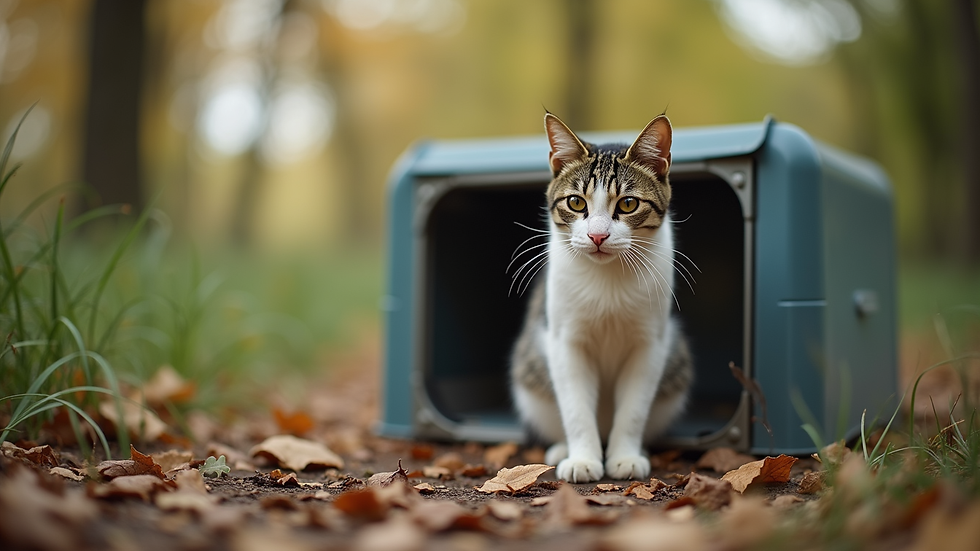
Examples of Tools Used in TNR Efforts
The newsletter sometimes highlights tools and resources that make TNR work more effective. For example, humane traps are essential for safely capturing feral cats without causing them harm. Fresno TNR recommends using traps designed specifically for cats, which are easy to set up and clean.
Another helpful resource is the use of low-cost spay/neuter clinics. These clinics provide affordable sterilization services, making it possible to help more cats. Fresno TNR partners with local veterinarians and clinics to offer these services.
By sharing these examples, the newsletter helps cat rescuers understand what tools and services are available to support their work.
Why Sharing the Newsletter Matters
Posting the monthly newsletter on the blog has several benefits:
Increases accessibility
Not everyone subscribes to email newsletters. Posting on the blog allows anyone visiting the site to read the latest updates.
Builds community awareness
The newsletter educates readers about the challenges feral cats face and the humane solutions available.
Encourages participation
Clear information about volunteer opportunities and events motivates people to get involved.
Supports fundraising efforts
Sharing donation needs helps Fresno TNR secure the resources necessary to continue their work.
By making the newsletter easy to find and read, Fresno TNR strengthens its connection with the community and expands its impact.

Final Thoughts
The monthly newsletter is a valuable resource for anyone interested in helping feral and community cats in Fresno. It provides clear updates, practical advice, and ways to get involved. By sharing it on the blog, Fresno TNR ensures that more people can access this information and support the mission to reduce cat overpopulation and suffering.
If you want to learn more or get involved, you can read the latest newsletter here. Together, we can make a difference for the cats in our community.


Comments